When to Hire an Orchestral Acoustics Consultant
When the Room Will Shape the Music More Than the Equipment
An orchestral performance depends on architecture as much as instruments, microphones, or loudspeakers. That is why timing matters when considering an orchestral acoustics consultant.
In real projects, the question is rarely whether acoustics matter. The harder question is when expert input changes outcomes enough to justify early involvement.
A small recital room, a renovated civic theater, and a new concert hall can host similar repertoire. Their acoustic demands are still very different.
An orchestral acoustics consultant helps translate artistic goals into measurable targets. That includes reverberation, clarity, stage support, audience coverage, isolation, and system integration.
This becomes especially important where architectural acoustics, electroacoustic reinforcement, and venue economics intersect, a space PMAS regularly examines across performance technology and venue planning topics.
In practice, bringing in an orchestral acoustics consultant too late often leads to expensive fixes. Bringing one in early usually improves design decisions before they become structural constraints.
Different Venues Create Different Acoustic Priorities
A common mistake is treating all music venues as versions of the same room. Orchestral sound behaves differently depending on volume, shape, finish materials, and audience use patterns.
In a purpose-built hall, the main concern is often natural projection and ensemble balance. In a multipurpose venue, flexibility usually competes with acoustic purity.
Existing buildings add another layer. Structural limitations, HVAC noise, balcony geometry, and historical preservation can make acoustic correction more complex than initial design.
That is why an orchestral acoustics consultant is not only for prestige projects. The service is often more valuable when room conditions are compromised or mixed-use demands are high.
New Construction Usually Needs Acoustic Input Before Drawings Mature
If a venue is still in planning, this is often the best time to hire an orchestral acoustics consultant. The reason is simple: geometry is cheaper to adjust on paper.
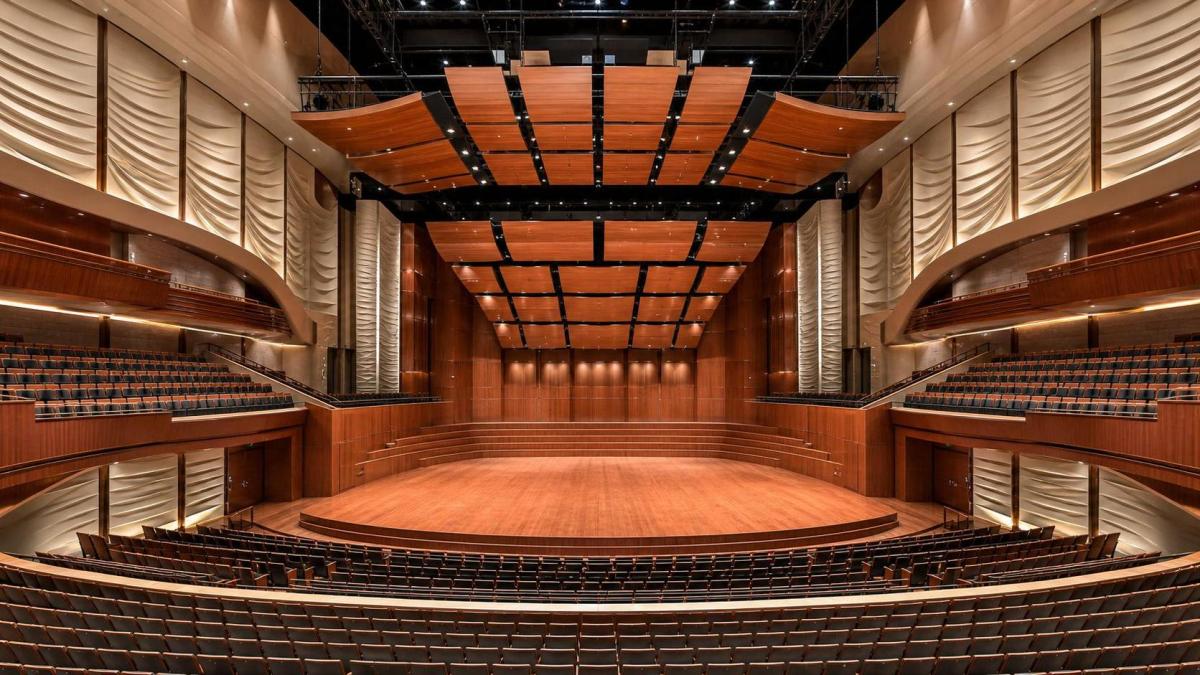
Ceiling height, wall angles, stage enclosure, seating rake, and room volume all affect orchestral response. Once structural drawings are frozen, flexibility drops sharply.
This stage also affects technical coordination. Acoustic targets need to align with HVAC noise limits, isolation details, lighting bridge placement, and AV infrastructure.
PMAS often covers how performance venues combine acoustic physics with system design. That overlap matters here because room acoustics and sound reinforcement should not be planned separately.
In orchestral spaces, a consultant may also advise on shell configuration, riser layout, orchestra pit behavior, and how later digital support systems will interact with the room.
Renovation Projects Need a Different Kind of Judgment
Renovation is where the value of an orchestral acoustics consultant often becomes easiest to see. Existing flaws are already audible, but the causes are not always obvious.
A complaint about weak string presence may come from stage support problems, not speaker tuning. Muddy sound in upper seating may reflect reflections, not musician balance.
In these cases, the consultant helps separate room behavior from equipment behavior. That avoids replacing audio systems when the real issue is architectural acoustics.
More constrained renovations also need prioritization. Full reconstruction may be impossible, so decisions shift toward diffusive treatment, reflectors, shell revisions, seating changes, or noise mitigation.
The best advice here is rarely generic. A practical orchestral acoustics consultant will rank interventions by audible impact, feasibility, downtime, and long-term maintenance value.
Multipurpose Spaces Are Where Trade-Offs Become Most Visible
Many venues do not serve orchestra alone. They host speech, amplified concerts, streaming, ceremonies, and community events. This changes the hiring decision.
Here, an orchestral acoustics consultant is valuable when flexibility must be engineered rather than assumed. Variable banners, retractable curtains, movable reflectors, and DSP support all need coordination.
The key judgment is not whether the room can do everything perfectly. It is whether the space can support its most important uses without compromising the orchestral baseline.
- If speech intelligibility dominates the calendar, acoustic control must remain predictable at lower occupancy levels.
- If unamplified orchestra remains a signature use, natural blend and early reflections cannot be sacrificed for convenience.
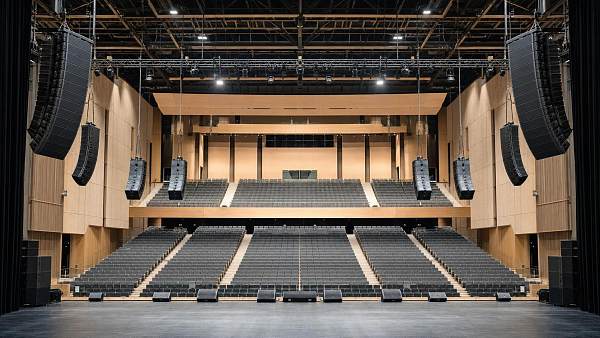
- If touring systems enter the space, rigging positions and line array behavior must be considered alongside room response.
This is also where PMAS-style cross-disciplinary evaluation is useful. Architectural acoustics, loudspeaker deployment, networking, console workflow, and venue operations often affect each other.
Signs You Should Not Wait Any Longer
Some projects clearly require an orchestral acoustics consultant, even if the initial plan did not include one. The warning signs are usually practical rather than theoretical.
- Design meetings keep revisiting ceiling shape, wall finish, or stage enclosure without agreement.
- The venue must support both orchestral music and speech-heavy programming.
- There are complaints about uneven sound coverage across seating zones.
- Mechanical noise is audible during quiet passages.
- A renovation budget exists, but the highest-impact acoustic fixes are unclear.
- Audio equipment upgrades are being considered without a clear room diagnosis.
When these signs appear, delay usually narrows the solution set. It also increases the risk of spending on visible upgrades that leave the core listening problem untouched.
Where Projects Commonly Misjudge the Need
One frequent misjudgment is assuming a strong PA system can compensate for poor orchestral acoustics. Amplification can support coverage, but it cannot recreate healthy room response.
Another is focusing only on reverberation time. An orchestral acoustics consultant looks beyond a single metric toward clarity, lateral energy, intimacy, stage communication, and background noise.
Projects also underestimate future use changes. A room designed around one ensemble size may later host recording, streaming, education, or hybrid events with different acoustic demands.
There is also a commercial blind spot. Early acoustic advice can reduce costly late-stage change orders, avoid mismatched suppliers, and improve long-term venue value.
A Practical Way to Decide Before Committing
A useful decision framework starts with the room, not the product list. Identify whether the project depends mainly on natural orchestral sound, variable programming, or corrective renovation.
Then define the non-negotiables. These may include quiet HVAC, clear upper-tier coverage, strong ensemble hearing on stage, or compatibility with digital audio and reinforcement workflows.
After that, compare constraints. Budget, structural limits, heritage rules, installation downtime, and maintenance capacity all affect whether a consultant should lead early or later.
What to Do Next if the Decision Is Still Open
If the need for an orchestral acoustics consultant still feels uncertain, start by documenting the room’s intended uses over the next five to ten years.
Then map the most sensitive variables: room volume, stage geometry, audience distribution, noise sources, and any reliance on reinforcement or recording infrastructure.
At that point, compare whether the current design team already covers orchestral acoustic modeling and venue-specific performance analysis in enough depth.
When the answer is unclear, an early review is often the safer path. A focused orchestral acoustics consultant can clarify risks before they become built-in limitations.
The strongest projects usually make this decision by matching acoustic goals to real operating conditions, not by waiting for audible problems after opening night.
Related Intelligence
 CE/FCC & CITES Wood RegsAug 07, 2026What CE Marking for Percussion Instruments Covers and the Documents Importers NeedPercussion instruments CE requirements vary by design, electronics, toy status, and market use. Learn what CE marking covers and which importer documents you should verify before ordering.
 CE/FCC & CITES Wood RegsAug 07, 2026CITES Annex II Rule Tightens Dalbergia nigra ExportsCITES Annex II rule tightens Dalbergia nigra exports from Aug 7, 2026. Learn how permit checks, legal harvest proof, and customs compliance will impact wood parts trade.
 Digital Live Mixing ConsolesAug 06, 2026Live Sound Technology Trends Shaping Console and PA UpgradesLive sound technology trends reshaping console and PA upgrades: explore lower latency, smarter DSP, audio networking, and scalable systems that improve ROI, control, and uptime.
 Broadband Acoustic PanelsAug 06, 2026EU CE Rule Tightens for Acoustic ProductsEU CE rule tightens for acoustic products under EN ISO 16283-1:2026. Learn how new testing, certification, and CE marking changes may impact EU market access.
 Class-D Digital AmplifiersAug 05, 2026How to Verify CE Compliance for Class-D Amplifiers Before ImportClass-D amplifiers CE checks go beyond the logo. Learn how to verify DoC, EMC, safety reports, labels, and revisions before import to reduce EU customs and compliance risk.
 Carbon Fiber Acoustic GuitarsAug 05, 2026CITES Tightens Rules on Brazilian Rosewood DerivativesCITES tightens Brazilian rosewood derivative rules, raising compliance risks for Carbon Fiber Acoustic Guitars. Learn permit, traceability, and customs steps for EU, UK, and Japan trade.
 AoIP Network ProtocolsAug 04, 2026Dante AoIP Network Architecture: How to Design for Scalability and RedundancyDante AoIP network architecture explained: learn how to design scalable, redundant audio networks with better topology, QoS, clocking, and failover for reliable performance.
 Broadband Acoustic PanelsAug 04, 2026EU CE Rule Starts Acoustic Testing ShiftEU CE rule update: EN ISO 16283-1:2026 shifts acoustic testing for imported building acoustics products. Learn compliance risks, new lab report requirements, and how exporters can prepare now.
 Feedback Suppression DSPAug 03, 2026How Sound Calibration Technology Tools Improve DSP Tuning AccuracySound calibration technology tools improve DSP tuning accuracy by validating EQ, phase, timing, and level decisions with reliable data—helping audio pros achieve faster, smarter, and more consistent system performance.
 Carbon Fiber Acoustic GuitarsAug 03, 2026Brazilwood Annex II Listing Tightens Guitar Export RulesBrazilwood Annex II listing tightens guitar export rules for makers and suppliers. Learn how CITES permits, wood traceability, and importer reviews could impact shipments from Q3 2026.
 Digital Live Mixing ConsolesAug 02, 2026How to Choose a Live Digital Mixing Console for Channel Count, I/O, and Scene RecallLive digital mixing console buying guide: learn how to evaluate true channel count, local and stage I/O, patching, and scene recall to choose a reliable system with confidence.
 Feedback Suppression DSPAug 02, 2026EU Updates EMC Rule for Audio Gear, Retesting RequiredEU updates EMC rule for audio gear: digital mixers, DSP units, and Class-D amplifiers may need retesting by Feb 1, 2027. See how the new EU EMC standard impacts compliance, inventory, and shipments.
 Active DSP Line ArraysAug 01, 2026Sound Reinforcement Coverage Optimization: How to Reduce Dead Zones in Wide VenuesSound Reinforcement Coverage Optimization: learn how to reduce dead zones in wide venues with smarter aiming, directivity control, delay alignment, and audience-focused design checks.