Audio Engineering Pricing: What Affects Project Costs
Why does audio engineering pricing vary so much?
Audio engineering pricing rarely follows a simple rate card. A studio session, a theater upgrade, and a touring PA design may all involve different labor, different risk, and very different technical outcomes.
For businesses, the real question is not “what is the cheapest quote,” but “what is included, what is excluded, and what outcome is being paid for.” PMAS often frames this as a system problem, not a single-service problem.
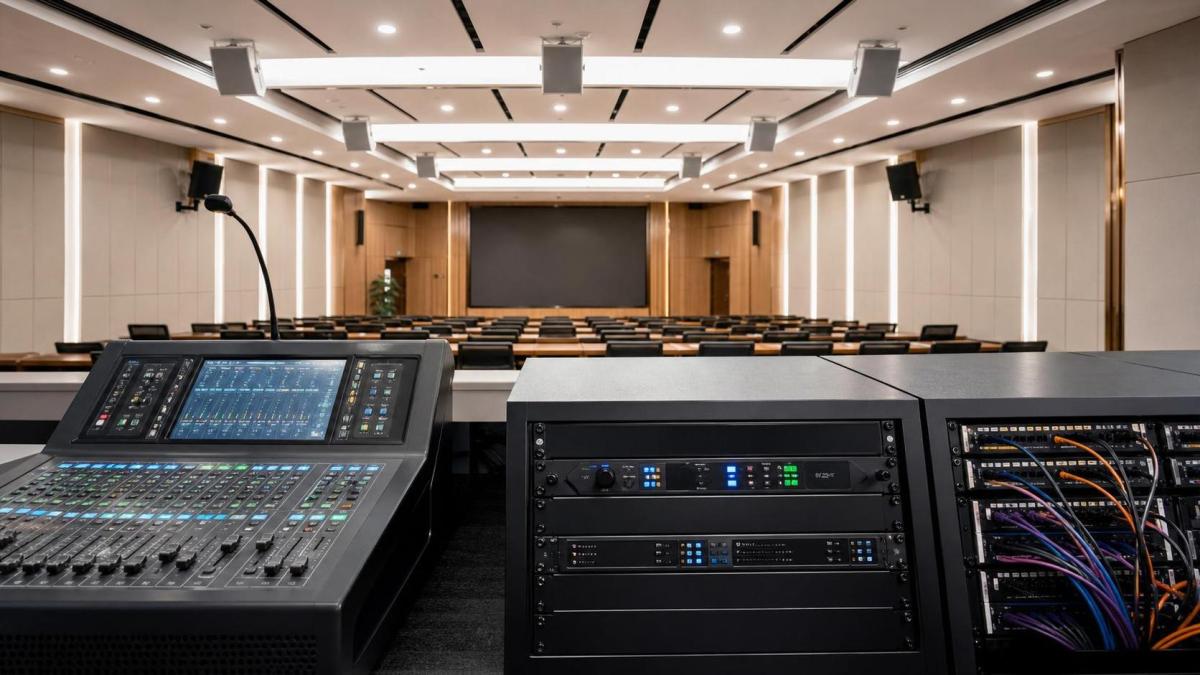
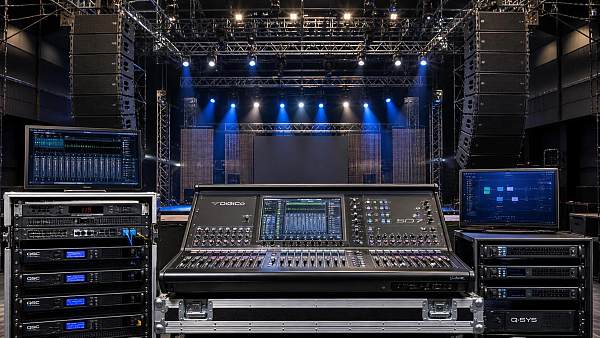
Equipment quality, venue size, acoustic conditions, DSP tuning, networking, and commissioning time all shape final cost. Once those variables are clear, pricing becomes much easier to compare.
What usually sits inside a quote?
A serious audio engineering quote often includes design, equipment selection, system integration, labor, testing, and handover. In larger projects, it may also cover acoustic modeling, cable planning, and troubleshooting after installation.
That matters because low quotes often leave out hidden work. A line array package may look competitive until you add rigging, network setup, DSP alignment, or calibration for speech clarity across the room.
In PMAS research across live sound and architectural acoustics, the most expensive surprises usually come from scope gaps. Clear scope language is often the best cost-control tool available.
A quick pricing checklist
- System design and consultation
- Core hardware and accessories
- Installation, cabling, and labor
- DSP tuning, networking, and testing
- Training, documentation, and support
Which project factors move audio engineering pricing the most?
Three variables usually move the number fastest: venue complexity, system performance targets, and labor intensity. A small room with clear boundaries is simpler than a multi-zone worship space, a conference hall, or a touring setup with repeatable deployment.
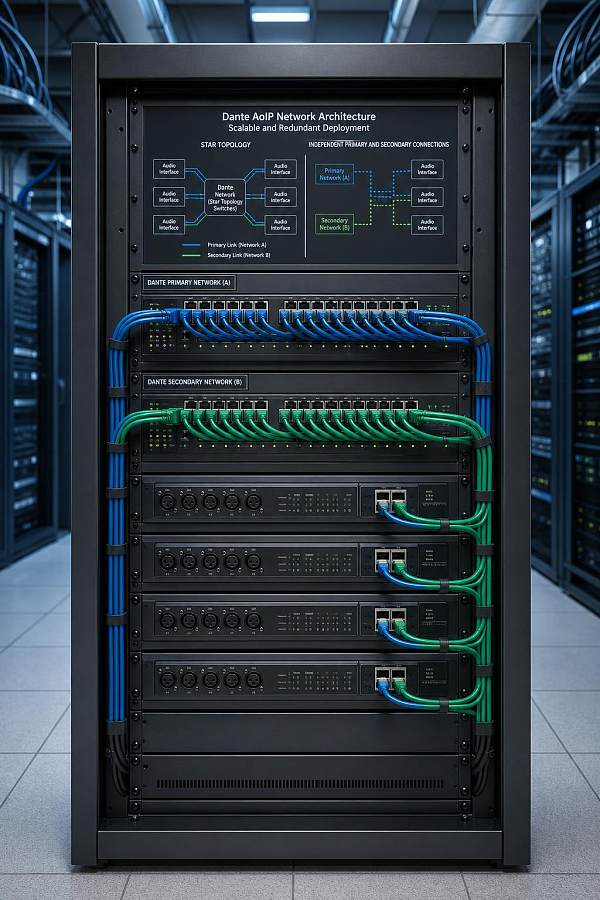
System performance targets also matter. If the brief demands low latency, Dante or AES67 integration, wireless coordination, and consistent speech intelligibility, the engineering effort rises even when the equipment list looks modest.
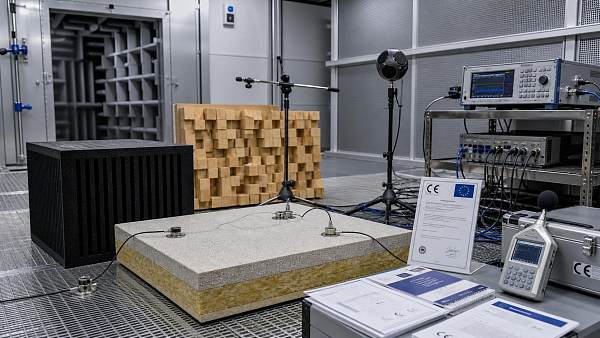
Labor is often underestimated. Commissioning time, acoustic measurements, and fine-tuning can take longer than physical installation, especially where standing waves, reflections, or feedback control need careful handling.
Typical cost drivers by project type
How do you judge whether a quote is fair?
A fair quote is usually the one that matches the brief most closely, not the cheapest one on the page. The fastest way to compare audio engineering pricing is to normalize the scope before comparing totals.
Look for the same assumptions across bids: same coverage target, same network standard, same cabinet class, same control workflow, and same commissioning deliverables. Without that, pricing comparisons become misleading.
PMAS regularly sees procurement problems caused by vague technical language. When “complete system” means different things to different suppliers, the final cost gap can be larger than the initial quote gap.
Good signs in a proposal
- Clear itemization of equipment and services
- Named assumptions about venue and usage
- Defined acceptance criteria for performance
- Support terms and warranty details
Where do businesses overspend most often?
Overspending usually happens when the system is designed for worst-case prestige instead of actual use. A room may need clearer speech and stable operation, not the largest possible amplifier, the most complex console, or unnecessary feature depth.
Another common issue is overbuying hardware while underfunding acoustics. In many cases, a modest improvement in absorption, diffusion, or low-frequency control delivers more value than a larger speaker budget alone.
That is where PMAS-style evaluation helps: it connects acoustic physics, system design, and operating risk. The best spend is often the one that reduces rework, not the one that looks impressive in a spec sheet.
What should you compare before approving audio engineering pricing?
Before approval, compare more than price. Compare performance, service depth, and the cost of future changes. A lower initial figure can become expensive if it creates poor coverage, unstable routing, or frequent maintenance calls.
This is especially true for facilities that expect growth. If the system must later support more zones, higher input counts, or expanded Dante/AES67 networking, the design should already leave room for that change.
A practical rule is simple: if the quote cannot explain how it will sound, how it will be controlled, and how it will be maintained, the price is not yet meaningful.
Decision table for faster review
How should you budget for the next project?
Start with the outcome, then work backward. Define whether the priority is speech clarity, music impact, recording precision, or flexible multi-use operation. Each goal pushes audio engineering pricing in a different direction.
If the project is a venue upgrade, include the cost of disruption and downtime. If it is a studio, include acoustic measurement and treatment. If it is a live system, include logistics, redundancy, and maintenance planning.
The most reliable budgets are built around realistic scope, not optimistic assumptions. That approach reduces surprises and makes supplier evaluation much cleaner.
What is the smartest next step?
The smartest next step is to turn the project into a measurable brief. List the venue type, target coverage, control needs, networking standards, and acoustic constraints before asking for pricing.
When the scope is clear, audio engineering pricing becomes easier to compare, easier to defend, and easier to optimize. That is exactly why PMAS treats cost as part of technical strategy, not just a buying decision.
If the goal is better value, begin with scope, compare like for like, and leave room for commissioning. That combination usually produces the most dependable result.
Related Intelligence
 AoIP Network ProtocolsAug 10, 2026Audio over IP Integration: How to Balance Latency, Redundancy, and ScalabilityAudio over IP integration explained for real-world projects: learn how to balance latency, redundancy, and scalability to build reliable, future-ready professional audio networks.
 Broadband Acoustic PanelsAug 10, 2026EU CE Rule Takes Effect for Acoustic ProductsEU CE Rule Takes Effect for Acoustic Products: learn how EN 1793-5:2026, Class B-s1,d0 testing, and CE marking reshape EU imports, compliance, and delivery planning.
 Touring CAPEX & Acoustic ROIAug 09, 2026Concert Hall Acoustic Design Planning: How to Balance RT60, Clarity, and BudgetConcert hall acoustic design planning made practical: learn how to balance RT60, clarity, room use, and budget to compare solutions wisely and avoid costly acoustic mistakes.
 CE/FCC & CITES Wood RegsAug 09, 2026CITES Annex II Permit Rule Expands for Brazilian RosewoodCITES Annex II permit rule expands for Brazilian rosewood, reshaping export compliance, sourcing, and customs checks. Learn what Dalbergia nigra traders must review now.
 Digital Live Mixing ConsolesAug 08, 2026How to Evaluate a Live Event Production Technology Supplier for System Reliability and ScalabilityLive event production technology supplier evaluation made practical: learn how to verify reliability, scalability, interoperability, and support before choosing a system for demanding events.
 Class-D Digital AmplifiersAug 08, 2026EU CE Rule Adds 96 kHz EMC Requirement for Audio AmplifiersEU CE Rule Adds 96 kHz EMC Requirement for Audio Amplifiers. Learn how EN 55032:2026/A2:2026 impacts CE marking, export compliance, testing timelines, and EU shipment readiness.
 CE/FCC & CITES Wood RegsAug 07, 2026What CE Marking for Percussion Instruments Covers and the Documents Importers NeedPercussion instruments CE requirements vary by design, electronics, toy status, and market use. Learn what CE marking covers and which importer documents you should verify before ordering.
 CE/FCC & CITES Wood RegsAug 07, 2026CITES Annex II Rule Tightens Dalbergia nigra ExportsCITES Annex II rule tightens Dalbergia nigra exports from Aug 7, 2026. Learn how permit checks, legal harvest proof, and customs compliance will impact wood parts trade.
 Digital Live Mixing ConsolesAug 06, 2026Live Sound Technology Trends Shaping Console and PA UpgradesLive sound technology trends reshaping console and PA upgrades: explore lower latency, smarter DSP, audio networking, and scalable systems that improve ROI, control, and uptime.
 Broadband Acoustic PanelsAug 06, 2026EU CE Rule Tightens for Acoustic ProductsEU CE rule tightens for acoustic products under EN ISO 16283-1:2026. Learn how new testing, certification, and CE marking changes may impact EU market access.
 Class-D Digital AmplifiersAug 05, 2026How to Verify CE Compliance for Class-D Amplifiers Before ImportClass-D amplifiers CE checks go beyond the logo. Learn how to verify DoC, EMC, safety reports, labels, and revisions before import to reduce EU customs and compliance risk.
 Carbon Fiber Acoustic GuitarsAug 05, 2026CITES Tightens Rules on Brazilian Rosewood DerivativesCITES tightens Brazilian rosewood derivative rules, raising compliance risks for Carbon Fiber Acoustic Guitars. Learn permit, traceability, and customs steps for EU, UK, and Japan trade.
 AoIP Network ProtocolsAug 04, 2026Dante AoIP Network Architecture: How to Design for Scalability and RedundancyDante AoIP network architecture explained: learn how to design scalable, redundant audio networks with better topology, QoS, clocking, and failover for reliable performance.