Wireless Microphone Diversity Receiver Problems and Fixes
Wireless Microphone Diversity Receiver Problems and Fixes
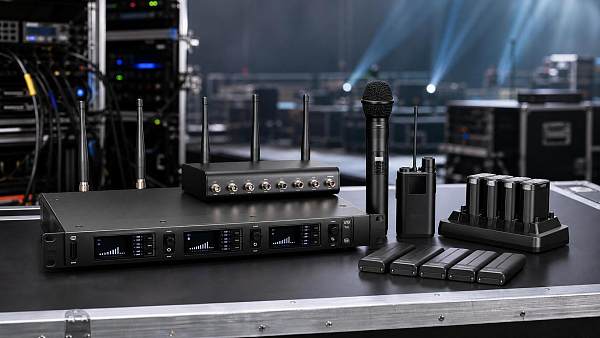
Wireless microphone diversity receiver issues can quickly turn reliable audio systems into costly service calls.
Understanding the fault pattern early saves time, protects show quality, and improves service consistency.
This guide explains common wireless microphone diversity receiver failures, likely causes, and practical field fixes.
Why a Wireless Microphone Diversity Receiver Fails in Real Use
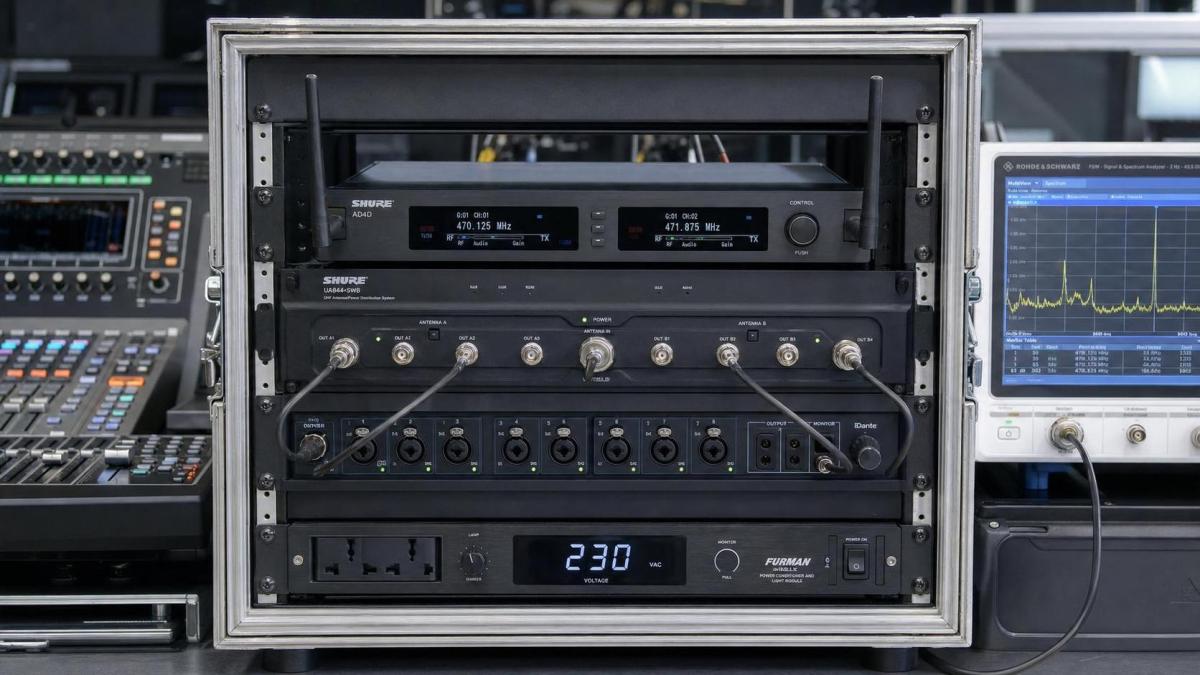
A wireless microphone diversity receiver depends on stable RF conditions, clean power, and correct antenna behavior.
When one of those variables shifts, the receiver may still power on yet perform badly.
From recent service trends, interference and installation mistakes cause more failures than defective hardware.
That matters because many repairs start with replacement, while the real fix is environmental correction.
A diversity design uses two antenna paths and switching logic to reduce dropouts.
If either path is blocked, mismatched, overloaded, or poorly connected, the diversity receiver can make wrong decisions.
The result may look random, but the symptoms usually follow recognizable patterns.
Common Symptoms and What They Usually Mean
Most wireless microphone diversity receiver complaints fall into a short list of repeat issues.
- Audio drops out while RF meters fluctuate sharply.
- Background hiss rises even though the transmitter battery is healthy.
- The receiver switches antennas too often or stays locked to one side.
- Range becomes much shorter than the product specification.
- Several channels work alone, then fail when all systems run together.
- Noise appears only near LED walls, routers, computers, or power amplifiers.
These symptoms point toward RF congestion, antenna faults, front-end overload, poor gain structure, or squelch settings.
The faster you separate RF problems from audio-path problems, the faster the repair process becomes.
Step One: Check the Obvious Before Opening the Unit
Start with external checks.
This avoids unnecessary bench work and often solves the issue on site.
- Confirm the transmitter and wireless microphone diversity receiver are on matched frequency groups.
- Inspect antenna cables for loose BNC connectors, sharp bends, or crushed insulation.
- Verify both antennas are present, correctly oriented, and not hidden behind metal racks.
- Check power supply voltage, polarity, and grounding quality.
- Review receiver output level and mixer input gain to rule out apparent noise caused by bad gain staging.
- Replace transmitter batteries, even if the battery meter still shows partial capacity.
In actual service work, weak batteries still cause misleading RF and audio symptoms.
Low battery voltage can reduce transmitter power before the user notices anything obvious.
Signal Dropouts: The Most Frequent Wireless Microphone Diversity Receiver Problem
Dropouts usually come from multipath cancellation, interference, or antenna placement errors.
A diversity receiver is built to manage multipath, but it still needs usable signal on both branches.
Practical fixes for dropouts
- Move antennas away from rack rails, metal walls, and digital equipment.
- Increase spacing between antenna A and antenna B according to the manufacturer guide.
- Use front-mounted antennas or remote antenna kits in dense rack installations.
- Run a fresh frequency scan with all nearby wireless systems active.
- Reduce transmitter-to-receiver obstructions, especially human bodies and LED structures.
- Check whether antenna boosters are creating overload instead of improvement.
A stronger RF reading is not always better.
If active antenna distribution adds too much gain, the wireless microphone diversity receiver front end can overload.
That often looks like unstable reception across multiple channels.
Noise, Hiss, and Unwanted Audio Artifacts
Not every noisy system has an RF problem.
Sometimes the wireless microphone diversity receiver is clean, but the downstream audio chain is not.
Where the noise usually starts
- Output level set too low at the receiver, forcing excessive preamp gain later.
- Compander artifacts caused by poor transmitter sensitivity settings.
- Ground loops between receiver rack, mixer, and stage power.
- Intermodulation products entering the receiver and creating rough, inconsistent noise.
- Damaged microphone capsules or bodypack input cables.
A quick isolation test helps.
Monitor the receiver headphone or direct output first, then compare it with the console input.
If noise appears only after the mixer, the receiver may not be the real cause.
Diversity Switching Problems and Antenna Path Faults
A healthy wireless microphone diversity receiver should alternate intelligently between antenna paths when needed.
When switching becomes erratic, one side may be weak, noisy, or completely dead.
How to verify the antenna branches
- Swap antenna A and antenna B physically.
- Watch whether the fault follows the cable, the antenna, or the receiver input.
- Measure cable loss if long coax runs are installed.
- Inspect antenna splitters and power injectors for one-sided failure.
- Check connector center pins for recession or oxidation.
This simple swap test saves a lot of time.
It quickly reveals whether the wireless microphone diversity receiver is defective or the RF path is compromised.
Interference, Frequency Coordination, and Intermodulation
As channel counts grow, coordination matters more than raw receiver quality.
A good wireless microphone diversity receiver still fails if frequencies are poorly planned.
The clearer warning sign is trouble that appears only when several systems run together.
What to do in crowded RF environments
- Perform coordination with every active transmitter powered on.
- Avoid locally popular TV bands and known LTE-heavy ranges.
- Keep transmitter power appropriate instead of always using maximum output.
- Separate IEM transmitters from receiver antennas where possible.
- Use manufacturer coordination software when available.
In many venues, frequency coordination is the real fix, not receiver replacement.
This also reduces repeat service calls and unnecessary spare-part costs.
A Fast Field Checklist for Service Teams
When time is limited, use a structured sequence.
This checklist keeps wireless microphone diversity receiver diagnostics consistent across different sites and technicians.
When Bench Repair Is Actually Necessary
After external causes are ruled out, bench-level faults become more likely.
- Damaged RF front-end components after static discharge or lightning exposure.
- Failed diversity switching circuitry.
- Aging electrolytic capacitors affecting power stability.
- Display and control issues that prevent proper coordination changes.
- Internal connector fatigue in touring inventory.
Service records help here.
If the same wireless microphone diversity receiver returns with repeated RF weakness, compare failure history before changing modules.
Repeated symptoms often reveal hidden installation or usage patterns, not isolated electronic failure.
Keep the System Stable After the Fix
The best repair is the one that prevents the next ticket.
Once the wireless microphone diversity receiver is working again, lock in the conditions that made it stable.
- Document final frequencies and antenna layout.
- Label coax runs, splitters, and power adapters clearly.
- Store known-good gain and squelch settings.
- Schedule periodic RF scans in changing venues.
- Train local operators to spot early signs of diversity receiver instability.
A wireless microphone diversity receiver rarely fails without warning.
Short range, antenna imbalance, and sudden noise are usually early indicators.
Catch those signs early, and repairs become faster, cheaper, and more predictable.
Related Intelligence
 Broadband Acoustic PanelsAug 26, 2026How room architectural acoustics change speech clarity in meeting spacesRoom architectural acoustics directly shape speech clarity in meeting spaces. Discover how reflections, reverberation, and noise affect hybrid meetings—and what to fix first.
 Hydraulic Formed BrasswindsAug 25, 2026When should a player move up to intermediate brass instruments?Intermediate brass instruments can boost tone, control, and confidence—but only at the right time. Learn the key signs a student is truly ready to upgrade.
 Bass Traps & DiffusersAug 24, 2026What actually works for percussion resonance control in small roomsPercussion resonance control in small rooms starts with room treatment, smart kit placement, and selective damping. Learn what truly works to get clearer, tighter drum sound.
 Active DSP Line ArraysAug 23, 2026What makes speaker system design for auditoriums intelligible in the back rowsSpeaker system design for auditoriums determines whether back-row listeners hear clear speech and balanced sound. Learn the key factors behind intelligibility, coverage, aiming, DSP, and room acoustics.
 Class-D Digital AmplifiersAug 22, 2026What drives guitar amplifiers price from practice amps to stage rigsGuitar amplifiers price explained: discover what really affects cost from practice amps to stage rigs, and choose the right amp for your tone, budget, and performance needs.
 AoIP Network ProtocolsAug 21, 2026How to evaluate low latency audio transmission systems for live soundLow latency audio transmission systems for live sound: learn how to compare latency, clocking, redundancy, and network compatibility to choose a reliable, show-ready solution.
 Digital Live Mixing ConsolesAug 20, 2026What drives wireless microphones price differences in live event setupsWireless microphones price varies with RF stability, channel density, battery systems, durability, compliance, and support. Learn how to compare live event setups and avoid costly failures.
 Broadband Acoustic PanelsAug 19, 2026When room acoustics modeling is accurate enough to choose panel placementRoom acoustics modeling becomes decision-ready when inputs, sensitivity checks, and measurements align. Learn when panel placement guidance is truly reliable.
 Broadband Acoustic PanelsAug 18, 2026How much difference do studio acoustic treatment systems make in small roomsStudio acoustic treatment systems can dramatically improve clarity, bass control, and stereo imaging in small rooms. Learn what really works and why better treatment leads to more reliable mixes.
 Neodymium High-frequency HornsAug 17, 2026How neodymium driver magnet structure affects horn clarityLearn how neodymium driver magnet structure shapes horn clarity through flux control, gap design, symmetry, and heat handling—key factors for cleaner speech, sharper transients, and smarter driver selection.
 Active DSP Line ArraysAug 16, 2026How line array coverage engineering affects SPL consistencyLine Array Coverage Engineering shapes SPL consistency, helping live sound stay even, intelligible, and powerful across every audience zone.
 CE/FCC & CITES Wood RegsAug 16, 2026Philippine Manila light and sound expo opens Aug. 13: CE/FCC compliance becomes a hard procurement thresholdManila’s Aug. 13 light and sound expo puts CE/FCC compliance first—learn how exporters and buyers can avoid customs holds and on-site rejection.
 Class-D Digital AmplifiersAug 15, 2026How much power does professional audio equipment really need?Professional Audio Equipment needs enough clean power—not just more watts—to deliver clear sound, strong headroom, and reliable performance in real venues.